2020 Tundra vs 2022 Navara: Who Keeps More Money After 3 Years?
You’ll see how the Tundra and Navara actually depreciate between 2020 and 2025. Most guides miss mileage spikes, regional demand quirks, and hidden dealer fees.
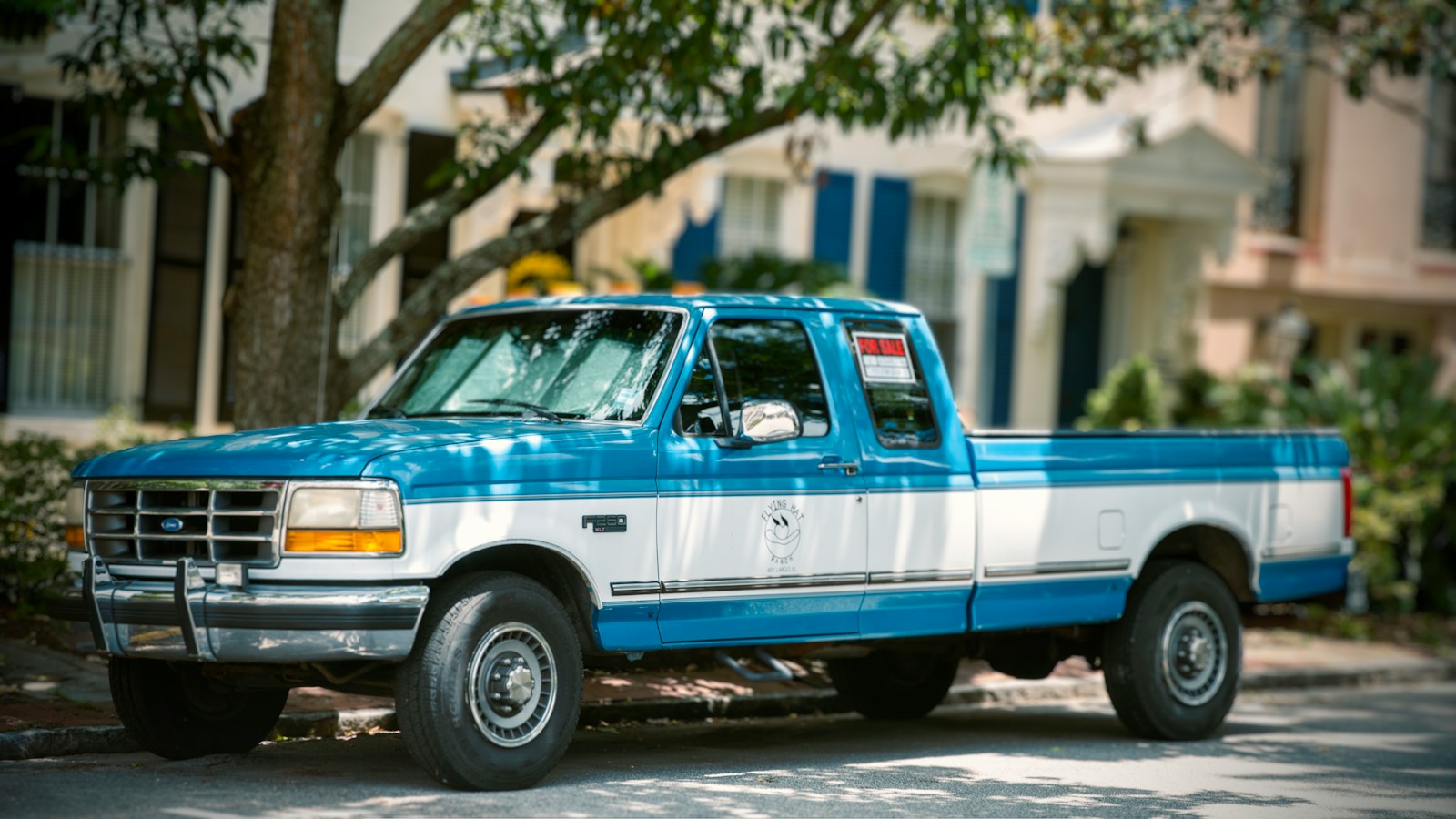
The price you pay today can evaporate faster than a midsummer puddle if you ignore the three‑year resale curve, and the gap between a 2020 Tundra and a 2022 Navara is a textbook case of hidden loss. Buyers who chase low monthly payments often forget that a $5,000 dip in market value can turn a “good deal” into a financial sinkhole once the truck hits the lot three years later.
Does the Tundra still outpace the Navara in resale?
Industry reports consistently place the Tundra in the top‑quartile for three‑year resale value among full‑size pickups, while the Navara hovers near the median of midsize competitors. In regions where Toyota’s dealer network spans every highway exit, even a high‑mileage Tundra can command a premium that eclipses a lightly used Navara with fewer service bays nearby. Conversely, in markets where Nissan’s off‑road reputation dominates—such as parts of the Southwest—Navara listings sometimes beat Tundra prices despite the latter’s broader brand cachet.
The raw numbers tell a story of variance: a 2020 Tundra typically loses between 12 % and 18 % of its original MSRP after three years, whereas a 2022 Navara sheds roughly 15 % to 22 % in the same span. Those percentages shift dramatically once you factor in regional demand spikes, seasonal dealer promotions, and the occasional fleet‑buy discount that depresses baseline prices. The takeaway isn’t “Toyota wins” but “context decides.”
How do mileage and condition skew the three‑year gap?
A truck that logs 15,000 miles per year will sit on the lower end of the depreciation curve, but the penalty isn’t linear. For the Tundra, each additional 5,000 miles beyond the 45,000‑mile mark can shave another half‑percent off the resale estimate, while the Navara’s depreciation accelerates more sharply after 40,000 miles, often adding a full percent per extra 5,000. The difference stems from how buyers perceive durability: Toyota’s long‑haul reputation cushions the mileage blow, whereas Nissan’s newer platform invites skepticism once wear shows.
Condition matters just as much as the odometer. A Tundra with a single dent and a well‑documented service history may retain value better than a Navara with pristine paint but a patchy maintenance log. Buyers frequently overlook the “service booklet” factor, yet a complete record can boost a resale quote by up to 3 % for either model. Conversely, a missed oil change or a lingering recall notice can erode confidence and yank the price down faster than any extra miles.
What role do brand perception and dealer networks play?
Toyota’s nameplate carries a “never‑break‑down” myth that translates into higher trade‑in offers, especially in markets where aftermarket parts are plentiful and cheap. Dealerships can source a replacement engine for a Tundra in a weekend, while a Navara may sit in the service bay for a week due to limited part availability, prompting buyers to discount the latter more aggressively. That supply‑chain reality shows up in auction results, where Tundras often fetch 5 % to 7 % more than comparable Navaras.
Dealer incentives also warp the apparent depreciation. A Toyota dealer might throw a cash‑back rebate into a financing deal, effectively lowering the buyer’s out‑of‑pocket cost without touching the sticker price, while a Nissan dealer could bundle a free maintenance plan that inflates the perceived value but leaves the resale figure untouched. These tactics create an illusion of parity that disappears once the truck is resold, leaving the Navara owner with a steeper net loss.
Can optional equipment tip the scales?
Both trucks offer a laundry list of packages—off‑road suspension, premium audio, and integrated navigation—that can swing resale numbers by several thousand dollars. However, the Tundra’s high‑end TRD Pro trim retains its premium longer because the market recognizes its off‑road pedigree and the parts are widely sought after. A Navara equipped with the optional 4×4 with electronic locking differentials can be a boon in niche markets, yet the scarcity of qualified mechanics makes some buyers shy away, trimming the resale premium.
The trick lies in matching options to regional demand. In snow‑belt states, a Tundra with heated seats and a winter package often sells at a modest premium, whereas a Navara with a solar‑roof package may sit unsold for months, forcing dealers to slash the price. Optional tech upgrades—like a wireless charging pad—have a short shelf life; they add value when new, but after three years the market treats them as standard fare, eroding any price cushion they once provided.
Practical steps to gauge true depreciation
- Pull the current market average from at least three reputable sources—Kelley Blue Book, Edmunds, and a regional auction site—and note the spread. Expect a variance of roughly 2 % to 4 % between the platforms.
- Locate a comparable vehicle with the same mileage bracket and trim level within a 50‑mile radius; this ground‑truths the online estimate and uncovers local demand quirks.
- Request a detailed vehicle‑history report that includes service records, recall repairs, and any reported accidents; a clean report can offset a 1 % to 2 % depreciation penalty.
- Factor in dealer‑specific fees such as documentation, pre‑delivery inspection, and any optional warranty packages; these can range from a few hundred dollars up to a low‑four‑figure total, depending on the dealership’s policy.
- Calculate the net cost of ownership by adding projected fuel, insurance, and maintenance for the next three years, then compare that figure against the expected resale value to see if the purchase truly makes financial sense.
By following this checklist, you avoid the common pitfall of relying on a single price point and instead build a data‑driven picture of what the truck will actually be worth when you decide to move on.
What to double‑check before handing over cash
- Verify that the VIN on the title matches the one on the vehicle‑history report; mismatches can signal a cloning scam.
- Confirm the existence of any outstanding liens; a hidden lien can become your responsibility the moment you drive off the lot.
- Inspect the warranty transfer paperwork; some manufacturers only allow a limited mileage window for the original warranty to stay in effect.
- Ensure the dealer provides a written breakdown of all fees, not just a lump‑sum figure; hidden charges often hide in the fine print.
- Test drive the truck under varied conditions—highway, city, and rough roads—to expose any latent issues that a static inspection might miss.
Crossing these boxes before you sign reduces the chance of a surprise loss and puts you in a stronger position to negotiate a fair resale price three years down the road.