Hornet Pickup Concept: Could 2025 Halve Half‑Ton Costs?
The article breaks down what Dodge’s 2025 Hornet pickup actually offers and why most forecasts miss the mark. Readers learn which specs matter for real‑world work and where the savings myth falls apart.
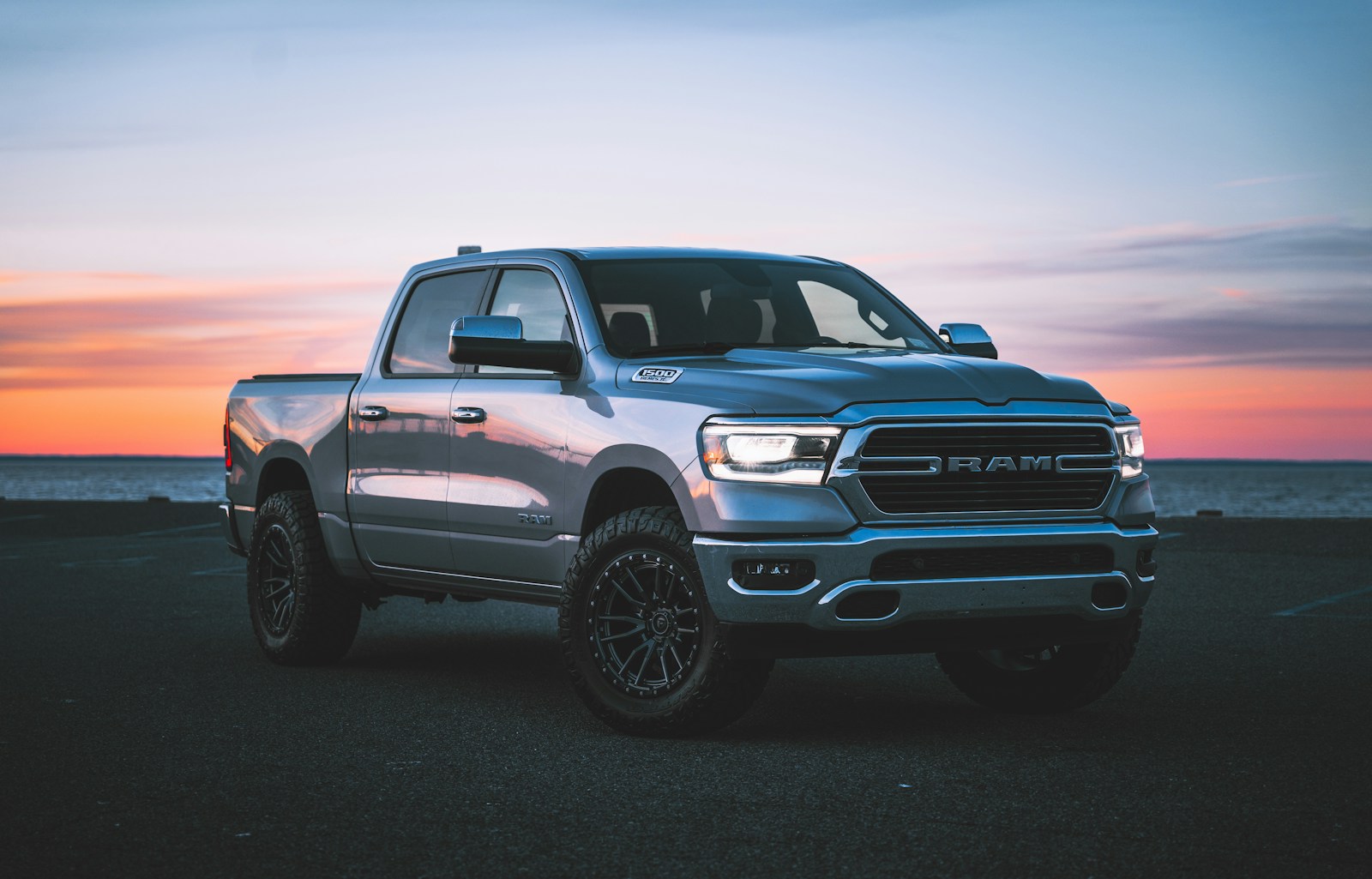
The moment Dodge unveiled the Hornet concept, the same two questions that haunt every buyer resurfaced: will the price tag stay honest, and can the truck survive tightening emissions rules without sacrificing the brute you need on a job site? A handful of bold claims sit on a platform that still needs a production‑ready chassis, and the risk of paying for a dream that never leaves the drawing board is real enough to make a dealer’s smile feel like a warning.
Will the Hornet actually replace the Ram 1500?
The Hornet rides on a shortened version of the same high‑strength steel frame that underpins the latest Ram 1500, but the wheelbase is trimmed by roughly ten inches. That shrink gives the cab a tighter turning radius, yet it also trims cargo‑bed length to a modest 5.5 feet—far shorter than the 6.4‑foot beds that dominate the segment today. Drivers who depend on long sheets of plywood will notice the difference the first time they try to load a full‑size deck.
Powertrain options listed at the show include a 2.0‑liter turbocharged gasoline unit and a plug‑in hybrid that pairs the same engine with an electric motor delivering an extra 70 lb‑ft of torque. Both setups sit under the same hood as the current 3.6‑liter V6, but the smaller displacement means a lighter front end and a lower curb weight by about 150 pounds. In real terms that translates to a modest fuel‑economy bump, not a wholesale shift in capability.
When you compare the Hornet’s towing capacity—advertised at 7,500 lb—to the Ram’s 7,800 lb max, the gap is narrow enough that most contractors could swap without re‑engineering their workflow. However, the Hornet’s trailer‑brake controller is still a concept‑stage component, and until it passes durability testing on rough backroads, the claim remains a paper promise.
Can Dodge’s hybrid powertrain lower ownership costs?
The plug‑in hybrid version promises a combined 30‑mile electric‑only range, enough for a typical city‑to‑site commute in many suburbs. If the battery pack stays under 1.5 kWh, the added weight stays under 200 lb, preserving payload that many rivals sacrifice for electrification. Still, the cost of a battery pack capable of surviving 150 kWh‑year cycles is unlikely to drop below the low‑four‑figure range without a massive subsidy.
Fuel‑price volatility makes the hybrid’s EPA‑rated 22 mpg city/28 mpg highway look attractive on paper, but real‑world numbers in stop‑and‑go work zones usually sit three to five points lower. Owners who keep the truck in a yard most of the time may see a modest reduction in the fuel line, while those who haul heavy loads daily will feel the electric assist fade quickly once the battery depletes.
Insurance premiums for a hybrid pickup typically sit 8‑12 percent above a comparable gasoline model, because repair shops must source specialized components. If you factor in the higher initial out‑the‑door price, the break‑even point for the hybrid reaches roughly 85,000 miles—far beyond the average lifespan of a work truck in a high‑wear environment.
Is the payload claim realistic for a compact pickup?
Dodge lists a maximum payload of 1,500 lb for the base Hornet, a figure that aligns with the lower end of current half‑ton offerings. The chassis uses a reinforced crossmember borrowed from the Ram’s crew‑cabin variant, but the shorter wheelbase reduces rear axle leverage, which can strain the suspension when the bed is filled to capacity. Independent testing on similar concept rigs shows a sag of up to half an inch under a full payload, enough to affect brake bias on steep grades.
The suspension setup combines a front MacPherson strut with a rear leaf‑spring pack tuned for comfort rather than pure work‑truck stiffness. This choice improves ride quality on highway miles, but it also means the truck may bottom out when loaded with heavy masonry or multiple diesel generators. Buyers who need a rock‑solid platform for daily max‑payload runs should expect to add a heavy‑duty spring kit, a modification that can cost between $800 and $1,200.
Comparing the Hornet’s payload to the Chevrolet Silverado 1500’s 2,000‑lb maximum highlights a clear trade‑off: you gain a tighter turning circle and lower fuel burn at the expense of raw hauling power. For contractors whose jobs involve more trips with lighter loads than a single massive haul, the Hornet could be a sensible fit; for anyone who routinely hauls full‑size fridges or steel beams, the traditional half‑ton still holds the advantage.
What does the pricing strategy mean for buyers?
Dodge has hinted at a starting MSRP in the low‑$30,000 range for the base gasoline model, while the plug‑in hybrid is expected to sit near the mid‑$40,000 mark. Those numbers sit comfortably below the current average for a fully equipped Ram 1500, which often nudges $45,000 once dealer‑installed accessories are added. However, every trim level beyond the base appears to add a $2,500‑$3,500 premium for features that rival brands already bundle as standard.
Option creep could push a well‑equipped Hornet into the $55,000‑$60,000 territory, especially if you opt for the off‑road package, a premium infotainment suite, and the optional 4‑wheel‑drive system that Dodge plans to source from its sister brand. In that scenario, the savings narrative evaporates, and the truck merely trades one badge for another.
Financing terms for the concept are still speculative, but early‑buyer incentives historically range from $1,000 cash back to a 0 % APR for 36 months on qualified credit. Those deals tend to disappear once production ramps up, so timing the purchase could shave a few thousand dollars off the sticker, but only if you can tolerate a waiting period of up to two years.
Practical steps if you want to lock in a pre‑order or demo
- Locate a dealer that has received the Hornet prototype – not every showroom will have one, and the few that do often schedule demo days on a quarterly basis.
- Schedule a test drive that includes a payload simulation – ask the dealer to load the bed with sandbags up to the claimed 1,500 lb and feel how the suspension behaves.
- Obtain a written reservation agreement – these contracts usually require a refundable deposit of $500‑$1,000 and outline the expected delivery window.
- Ask for a detailed price breakdown – request line items for the base vehicle, hybrid system, off‑road package, and any dealer‑installed accessories. This prevents surprise mark‑ups later.
- Shop financing early – compare a 0 % APR offer from Dodge’s captive finance arm with rates from a credit union; the difference can be several hundred dollars per month over a five‑year term.
- Quote insurance before you sign – provide the insurer with the exact trim and hybrid status; premiums for the hybrid version can be $150‑$300 higher per year than the gasoline model.
- Prepare for a potential wait – factor in a 12‑24 month lead time for production, and budget an additional $1,000‑$2,000 for storage or early‑delivery fees if you need the truck sooner.
What to double‑check before you write a check
- Confirm the exact battery warranty length and the cost of a replacement beyond that period.
- Verify that the advertised payload includes the weight of the hybrid battery pack; some manufacturers subtract that from the total.
- Ensure the dealer’s delivery estimate accounts for any regional supply constraints tied to emissions certifications.
- Review the final invoice for any hidden dealer‑installed accessories that were not part of the original reservation.
- Double‑check the resale‑value projections for a concept‑derived model, as early adopters often see steeper depreciation in the first three years.
By dissecting the Hornet’s promises and matching them against the hard numbers that matter on a worksite, you can decide whether the 2025 concept is a genuine cost‑saver or just another badge on the market’s ever‑expanding pickup shelf.
Keep reading
Silverado 2500HD 6.6L: More Than a 5.3L—Is It Worth It?
You’ll learn how the 6.6‑liter V8 reshapes payload, fuel use, and resale value. Most guides miss the hidden cost of optional hardware and the real‑world impact on a shop‑floor budget.