Longhorn adds + but wins comfort – real‑world test
You’ll see which Ram 1500 trim actually delivers the ride quality you expect. Most guides compare specs on paper and miss the lived‑in differences.
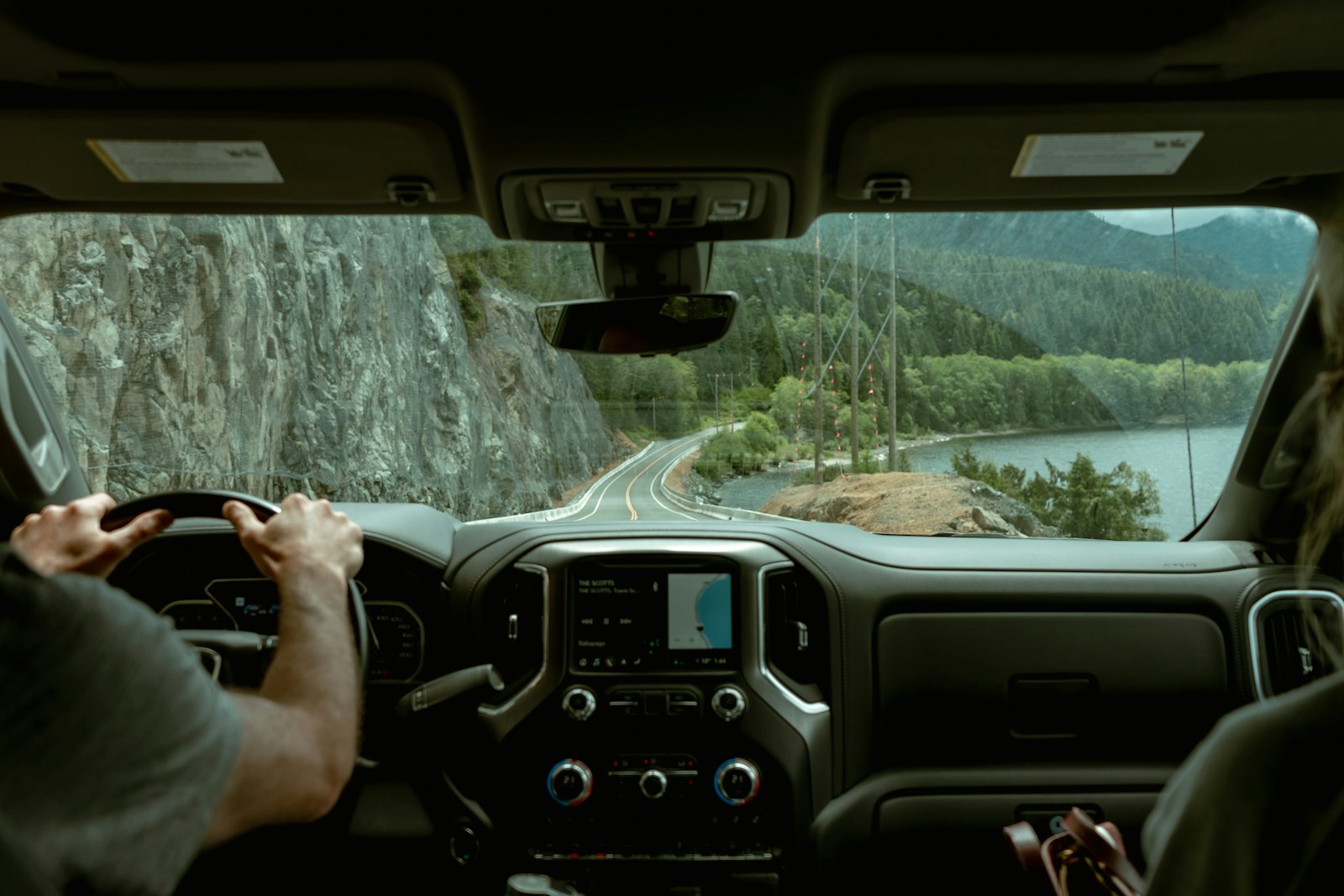
When the price tag jumps from the base Limited to the Limited Longhorn, the decision feels less about horsepower and more about where you’ll spend your weekend hours. The tension lies between a polished cabin that whispers “executive” and a rugged package that promises mud‑splattered confidence, all while the invoice swells by a few grand.
Luxury appointments in the standard Limited start with leather‑trimmed seats, a 12‑inch touchscreen, and an acoustic windshield that mutes highway whine. Meanwhile, the Longhorn layers a matte‑black grille, additional chrome accents, and a set of off‑road tires that look aggressive but add unsprung weight. The net effect is a cabin that feels heavier yet somehow more planted, especially when cruising over uneven pavement.
Towing capacity remains the same on paper—up to 12,750 lb—but the Longhorn’s 33‑inch tires and reinforced suspension shift the weight distribution, often shaving a few hundred pounds off the payload rating. Adding the optional 3‑point hitch and trailer brake controller can push the cost upward by $1,800‑$2,200, a figure that rarely appears in the brochure’s fine print.
Adding the off‑road package also brings a 2‑in‑1 air‑suspension system that can raise the frame by an inch for ground clearance. This system costs roughly $2,500‑$3,500 and introduces a new maintenance schedule that includes periodic valve checks and occasional compressor fluid changes. The extra hardware can make a 2‑ton payload feel more like a 1‑ton load when the air springs are in lift mode.
Seat comfort in the Limited benefits from a 10‑way power adjustment, heated front cushions, and a lumbar paddle that remembers your preferred position. Contrast that with the Longhorn’s “premium leather” that, despite the name, tends to be a thicker, less supple hide that can feel stiff after a few months of summer heat. Under the surface, the Longhorn’s seats incorporate a reinforced frame to handle the extra suspension travel, which can translate to a firmer feel on long hauls.
Contrast in cabin noise also tells a story; the Limited’s double‑pane glass and acoustic laminate keep wind and road hiss at bay, whereas the Longhorn’s larger wheels and off‑road tires introduce a low‑frequency rumble that some owners describe as “a constant reminder you’re on a beast.” The difference becomes noticeable on highway cruises above 70 mph, where the Limited’s cabin feels like a quiet office, and the Longhorn’s feels like a construction site.
Pricing for the Longhorn badge starts about $3,000‑$4,000 above the Limited, but hidden add‑ons such as the 33‑inch all‑terrain tires, upgraded brakes, and the air‑suspension can inflate the total spend to $6,500‑$8,000. Dealers often bundle a “off‑road protection package” that includes skid plates and a tow‑behind recovery kit, pushing the final invoice toward the high end of that range. Those bundles rarely appear on the official Ram build page, so shoppers need to ask for a line‑item breakdown.
Dealers sometimes sweeten the deal with a complementary first‑year maintenance plan, yet the fine print may exclude air‑suspension service, forcing owners to cover that expense out of pocket. The same dealership may offer a cash‑back rebate that offsets the sticker price, but the rebate usually applies only to the base Limited, leaving the Longhorn’s extra features untouched. Consumers who chase the rebate without checking eligibility can walk away paying more than they anticipated.
Step one in the decision process is to list the primary use cases for your truck—daily commute, weekend overlanding, or heavy towing. If the majority of miles are on paved roads, the acoustic benefits of the Limited outweigh the off‑road aesthetics of the Longhorn. If you regularly tackle unpaved trails, the extra suspension travel and tire size become functional rather than decorative.
If you decide the Longhorn’s capabilities align with your lifestyle, budget an additional $2,000‑$3,000 for the air‑suspension and tires, plus a yearly $150‑$250 for specialized maintenance. Should the Limited meet your comfort criteria, allocate the saved dollars toward a higher‑capacity battery or a premium bed liner that improves utility without compromising ride quality.
Remember to request a detailed invoice that separates the base vehicle cost from each optional item; this transparency prevents surprise markups when the dealer rolls the final numbers into a “total price.” A side‑by‑side test drive—limited on the highway, long‑haul on a gravel backroad—will expose the distinct ride characteristics that spec sheets hide.
Before signing any paperwork, double‑check that the warranty coverage for the air‑suspension matches the rest of the drivetrain, verify the exact tire model and its load rating, and confirm that any advertised rebates are still active at the time of purchase. A quick phone call to Ram’s corporate service center can clarify whether the dealer’s “free maintenance” truly includes the components you rely on.