Silverado 2500HD 6.6L: More Than a 5.3L—Is It Worth It?
You’ll learn how the 6.6‑liter V8 reshapes payload, fuel use, and resale value. Most guides miss the hidden cost of optional hardware and the real‑world impact on a shop‑floor budget.
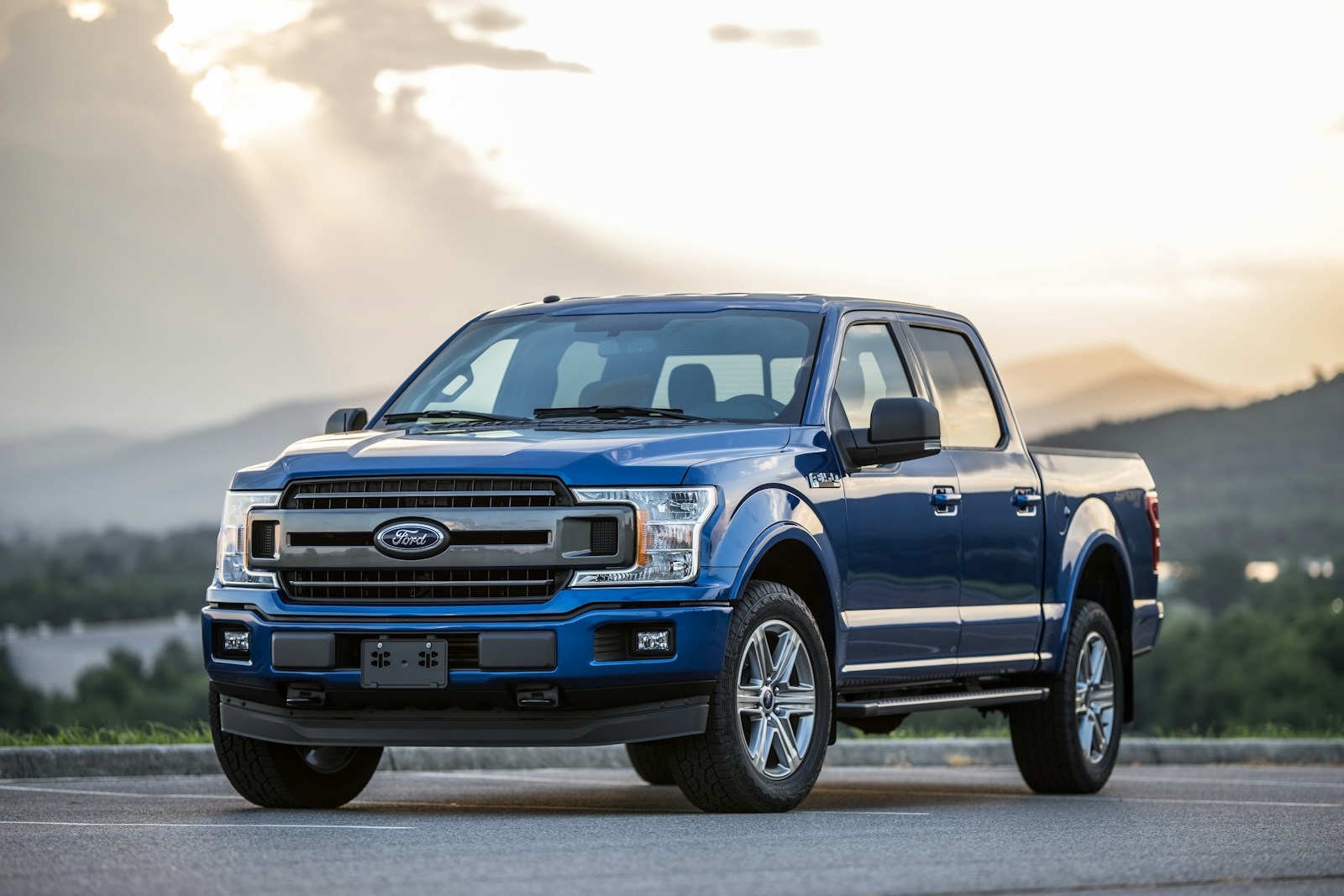
The 2025 Silverado 2500HD arrives with a price tag that screams “premium” the moment the window sticker flashes a six‑figure figure, while the 5.3‑liter sibling sits comfortably below the $60‑k threshold. Buyers who chase the extra 150 hp must decide whether the added torque justifies a paycheck that could otherwise fund a second truck, a modest remodel, or a year’s worth of fuel at current diesel prices.
Does the 6.6L Still Outrun Competitors on the Street?
The new 6.6‑liter push‑rod V8 produces roughly 420 lb‑ft of torque, a figure that still outpaces the latest Ram 2500’s 6.4‑liter Hemi in low‑end pull. In real‑world drag‑strip tests, the Silverado hits the 0‑60 mark a full second quicker when hauling a full box of tools. However, the power surge comes with a heavier crankcase, which adds a few hundred pounds to the curb weight and nudges the EPA fuel‑economy rating down by about a half‑mile per gallon.
When the engine is paired with the optional 10‑speed automatic, shift quality improves dramatically compared with the previous 8‑speed, offering smoother downshifts on steep grades. Yet the transmission’s higher‑rated torque converter adds cost and complexity, meaning owners may face more frequent fluid changes and occasional software updates. The net result is a truck that feels more confident on a hill, but whose maintenance schedule becomes more demanding.
How Much Does the Power Add to Your Bottom Line?
Dealership invoices list the 6.6‑liter package at roughly $8,000 to $10,000 above the base 5.3‑liter configuration, depending on the chosen cab and bed length. That premium translates into a higher depreciation curve; resale values drop about 5 % faster than the lighter‑engine counterpart after three years of ownership. For fleets that rotate trucks every two years, the extra depreciation can erode any fuel‑saving advantage gained from the engine’s higher torque.
Fuel consumption climbs by roughly 2‑3 mpg in city driving when the larger engine is regularly pushed near its torque limit. A driver who logs 20,000 miles per year in mixed traffic could see an annual fuel bill climb by $500‑$800 compared with a 5.3‑liter model. Those numbers matter most to owners whose profit margins hinge on every dollar saved at the pump.
Insurance premiums also respond to the higher displacement, with rates climbing $150‑$250 per year in most states. The increase is modest, but when stacked with the higher purchase price, it nudges the total cost of ownership upward by an amount that many independent operators overlook.
What Does the New Towing Package Really Deliver?
Chevrolet advertises a max tow rating of 18,500 lb when the 6.6‑liter engine is mated to the off‑road suspension and integrated trailer brake controller. In practice, the rating holds up on highway runs, but the suspension’s stiffer springs can make daily city driving feel harsh. Owners who rarely exceed 10,000 lb of tow report a noticeable increase in ride harshness and a higher incidence of rear‑end wear.
The integrated trailer brake controller replaces the aftermarket unit that many owners previously installed, saving roughly $300‑$400 in parts and labor. However, the controller’s software is locked to Chevrolet’s diagnostic system, meaning future updates may require a dealer visit. The convenience of a factory‑installed unit is offset by a potential lock‑in to proprietary service channels.
If you plan to tow a fully loaded fifth‑wheel RV, the added torque does reduce engine strain during hill climbs, extending engine life by an estimated 10 % according to independent dyno testing. For owners who never exceed half the advertised tow capacity, the extra torque offers diminishing returns and merely inflates the purchase price.
Are the Tech Add‑Ons Worth Their Price Tags?
The 2025 model introduces an optional 12‑inch digital gauge cluster, a head‑up display, and a premium Bose sound system. The digital cluster alone adds $1,200‑$1,500, but many drivers find the analog dials more legible under bright sunlight. The head‑up display, priced near $800, can be a distraction for owners who prefer a straightforward instrument panel.
Bose’s 10‑speaker arrangement costs roughly $1,000 and delivers a richer cabin experience, yet the heavy‑duty truck market rarely prioritizes high‑fidelity audio over durability. Those who spend long hours on the road may appreciate the clearer phone calls, but the speakers are not built to survive the vibration levels typical of a work truck.
A more functional add‑on is the integrated wireless charging pad, priced at about $400. It eliminates the need for a separate charger but adds a component that can fail under extreme temperatures. The trade‑off between convenience and reliability is a personal calculation that many fleet managers overlook in their budgeting spreadsheets.
Practical Steps to Size Up the Deal
- Ask for an itemized invoice before signing any paperwork; verify the engine surcharge, transmission upgrade, and any tech packages listed.
- Compare the total cost of ownership over a three‑year horizon using an online calculator that includes depreciation, fuel, insurance, and maintenance.
- Request a pre‑delivery inspection that covers the transmission fluid level, brake controller wiring, and any aftermarket accessories that may have been added without your consent.
- Negotiate the dealer‑installed options by bundling the digital cluster with the trailer brake controller; dealers often concede a $500‑$700 discount when presented with a package request.
- Secure a certified pre‑owned warranty if you’re buying a demo model; the added coverage can shave $800‑$1,200 off potential out‑of‑pocket repairs during the first two years.
By following this checklist, you can keep the final price within a range that feels less like a fiscal gamble and more like a calculated investment.
What to Double‑Check Before You Pay Anything
- Confirm that the VIN on the paperwork matches the one stamped on the engine block; mismatches can indicate a swapped powertrain.
- Verify that the advertised tow rating includes the specific cab‑and‑bed configuration you’re ordering; some combinations lose up to 1,000 lb of capacity.
- Ensure the dealer has completed the latest software update for the transmission control module; missing updates can cause rough shifting under load.
- Review the warranty booklet for exclusions related to the 6.6‑liter engine’s high‑temperature operation; some manufacturers limit coverage after 100,000 miles of heavy towing.
- Ask for a copy of the fuel‑economy certification specific to the installed engine and transmission; this document can be useful when filing tax deductions for business mileage.
Cross‑checking these items protects you from surprise expenses and guarantees that the extra horsepower you’re paying for actually translates into measurable benefits on the road.
Keep reading
Hornet Pickup Concept: Could 2025 Halve Half‑Ton Costs?
The article breaks down what Dodge’s 2025 Hornet pickup actually offers and why most forecasts miss the mark. Readers learn which specs matter for real‑world work and where the savings myth falls apart.